Are EV Muscle Cars Like the Charger Daytona SRT the Future – or Just a Phase?
November 12, 2025•10 min read
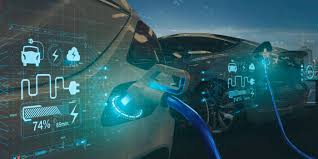

Are EV Muscle Cars Like the Charger Daytona SRT the Future – or Just a Phase?
For decades, muscle cars were dened by three things: big displacement, rear-wheel drive and a
snarling V8 soundtrack. But the future is coming fast – and it’s electric. Leading the charge
(literally) is Dodge, the most unapologecally aggressive muscle brand in America. With the
unveiling of the
Dodge Charger Daytona SRT EV, the company isn’t just introducing a new car –
it’s launching an enrely new muscle era.
But can you really have a muscle car without a rumbling engine? Is electricaon the logical
next step for performance coupes or is this just a temporary detour on the road to exncon?
What Is the Dodge Charger Daytona SRT?

The
Charger Daytona SRT EV is Dodge’s rst full-electric muscle car and the brand’s boldest
product gamble in decades. Previewed as a near-producon concept in 2022, this EV coupe was
meant to replace both the gas-powered Charger and Challenger, eecvely reseng the
muscle car playbook.
Key highlights:
• 800-volt architecture (dubbed “Banshee” plaorm) for ultra-fast charging and high
performance
• Targeted performance that exceeds the Hellcat, Dodge’s 707+ horsepower icon
• An arcial exhaust system called the Fratzonic Chambered Exhaust, designed to give
the EV a muscle-car-like roar
• A classic coupe silhouee that nods to ‘70s Chargers while introducing futurisc lighng
and aero
This is not Dodge going quiet. It’s Dodge going loud in a new way.
Muscle Car DNA: Can EVs Really Inherit It?
The core appeal of muscle cars has always been visceral; the thump of a cammed V8, the lurch
of torque through a live axle, the smell of burnt rubber. Dodge seems to understand this and
they’ve gone to extreme lengths to simulate that experience in an EV.

What the Daytona SRT retains:
• Brutal acceleraon (likely 0–60 mph in under 3 seconds)
• Two-door coupe prole
• Rear-biased performance with dri potenal
What it loses:
• Engine noise (replaced by synthec sound)
• Manual gearbox (though Dodge is experimenng with an “eRupt” mul-speed
transmission for gear-change simulaon)
• The raw, mechanical feel of internal combuson
The queson becomes: is the essence of a muscle car mechanical or emoonal?
If the Charger
Daytona can evoke the same adrenaline rush, does it maer how it makes the power?
Why Dodge Is First to Flip the Switch
It might seem surprising that Dodge, the most old-school of the Detroit Three, is rst out the
gate with a full-electric muscle car.
But the move is strategic.
Dodge’s advantages:

• Strong brand identy: Dodge isn’t diluted across sedan, SUV and truck segments. It can
focus on pure performance.
• Fan-rst markeng: Dodge has acvely involved its enthusiast base in the EV transion,
even hosng feedback sessions for the Fratzonic sound system.
• Compliance pressure: Stricter emissions laws (especially in California and Europe) make
keeping V8s alive nearly impossible for mainstream automakers.
Rather than backpedal or delay, Dodge is leaning into electricaon as an opportunity to
redene muscle on its own terms – before someone else does.
The Compeon: Is Anyone Else Following Dodge?
So far, Dodge is alone in going fully electric with a muscle car identy. Ford and Chevrolet are
both experimenng – but cauously.
• Ford Mustang Mach-E: An electric SUV with Mustang styling. A sales success, but not a
true Mustang successor.
• Chevy Camaro EV rumors: GM has hinted at electrifying the Camaro nameplate, but
nothing concrete has been revealed.
• Tesla Model S Plaid: More powerful than any muscle car ever made – but lacks the
emoonal design or heritage e-ins.
This makes Dodge’s move risky but potenally rst-mover advantageous. If the Charger
Daytona succeeds, it could dene the segment for the next decade – much like the original
muscle cars did in the 1960s.
The Cultural Dilemma: Enthusiast Backlash
Not everyone’s sold on the electric future of muscle. Many diehard fans see EVs as soulless,
silent and synthec, the anthesis of what makes muscle cars great. Dodge is addressing this
with the Fratzonic exhaust, but some view it as gimmicky.
Common cricisms:
• “Fake noise” will never match a real V8 rumble
• Muscle cars should have manual transmissions
• EVs are seen as appliances, not passion projects

Sll, there’s a growing Gen Z and Millennial audience that sees EVs as normal – or even
aspiraonal. For them, instant torque, clean energy and digital performance may be more
compelling than nostalgia.
Are EV Muscle Cars Here to Stay – or Just a Phase?
Whether or not EV muscle cars are “the future” depends on several variables:
• Baery innovaon: If solid-state baeries deliver lighter weight and longer range, EVs
could beer mimic ICE dynamics.
• Legislaon: If governments restrict combuson sales enrely (as planned in Europe by
2035), EVs may become the only opon.
• Cultural adopon: If enough buyers embrace the format, EV muscle cars could become
mainstream.
However, there’s also a chance that
electried muscle becomes a niche – high-performance,
high-cost vehicles for a small group of early adopters, while the majority shi to crossovers and
SUVs.
In either case, Dodge’s boldness will inuence whether muscle EVs gain legimacy, or fade out
as a failed experiment.

The Dodge Charger Daytona SRT EV isn’t just a new car, it’s a litmus test. If it captures the spirit
of muscle cars while embracing the realies of electricaon, it could chart a new course for
performance vehicles worldwide.
But if the soul of muscle can’t survive the silence, this could be remembered as the moment the
genre peaked and pivoted into something else enrely.
One thing’s certain: the electric muscle car isn’t a phase. It’s a bold experiment – and like all
things muscle, it’s here to make some noise.
