Old-School Cool, New-Age Tech: Why Motorcycle Brands Are Embracing Nostalgia with Modern Tech
April 20, 2025•7 min read
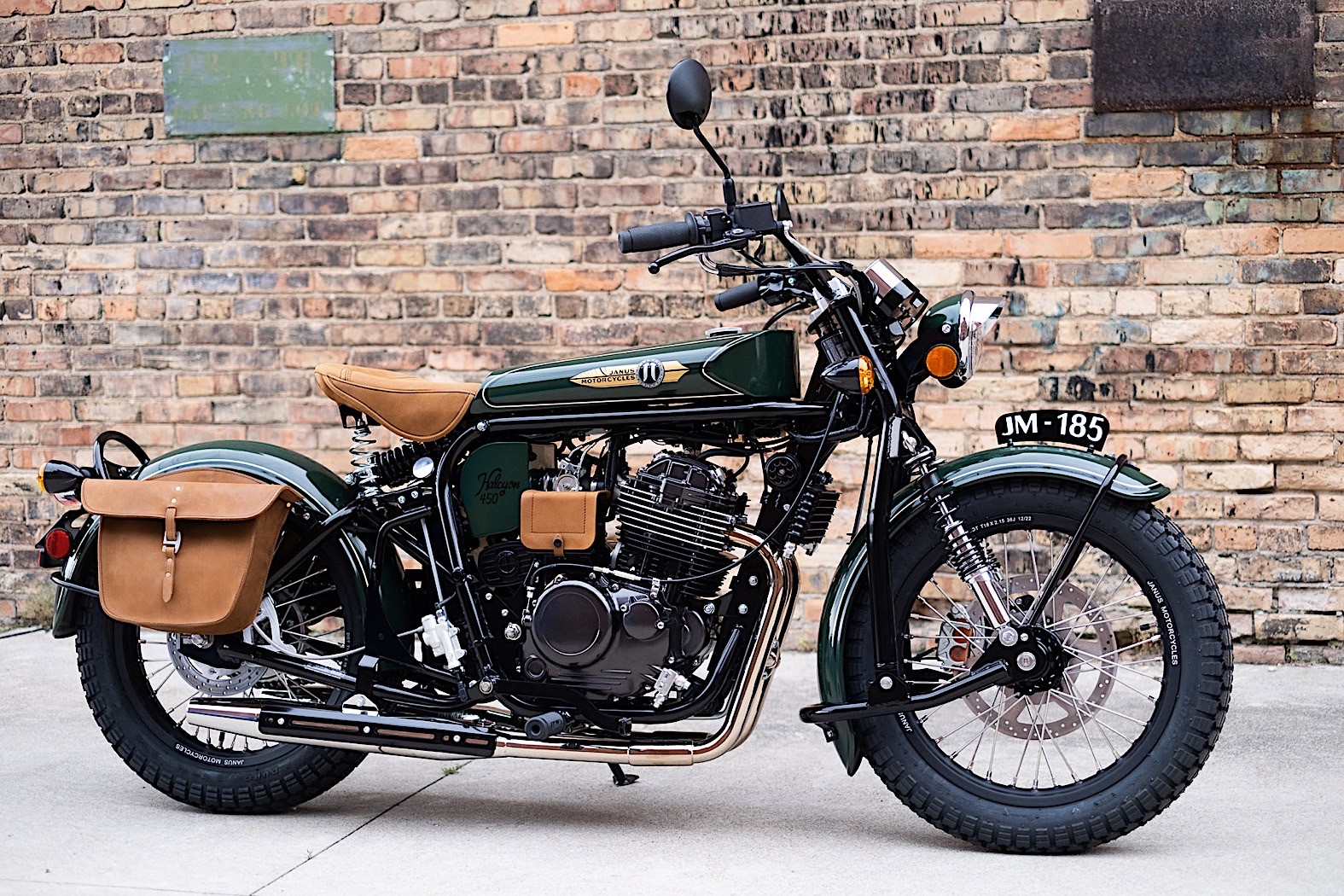

Old-School Cool, New-Age Tech: Why Motorcycle Brands Are Embracing Nostalgia with
Modern Tech
In an age of rapid innovaon, where electric bikes, adapve cruise control and TFT dashboards
are becoming the norm, motorcycle manufacturers are increasingly looking backward for
inspiraon. Brands like Triumph, Yamaha, Royal Eneld and Honda are embracing retro
aesthecs while integrang cung-edge technology, creang a
new category of bikes that fuse
meless style with 21st-century performance.
But why are so many riders, including younger enthusiasts, drawn to motorcycles that look like
they belong in the 1960s or '70s? And why are brands invesng heavily in these retro-modern
hybrids? The answer lies in more than just design. It’s about emoon, connecon and proving
that you don’t need to choose between classic charm and modern engineering.
The Rise of Retro-Modern Motorcycles
The retro motorcycle trend has exploded in the past decade. Once a niche for vintage collectors
or café racer customizers, the market has gone mainstream. Today,
nearly every major
manufacturer oers at least one retro-inspired model:
• Triumph Bonneville Series
• Yamaha XSR700 and XSR900
• Kawasaki Z900RS

• Royal Eneld Interceptor 650
• Honda CB1100 and CB350 H’ness
These bikes take design cues from classic models; round headlights, twin shocks, upright ergos,
while incorporang modern fuel injecon, ABS, tracon control and emissions compliance.
Why Nostalgia Sells — Even to Younger Riders
You might assume that retro bikes only appeal to older riders reliving their youth. But sales data
and brand surveys suggest otherwise. Millennials and Gen Z riders are just as likely to buy a
retro-styled bike, even if they’ve never ridden a carbureted machine. You might wonder, why
the appeal? Well, riders are drawn to retro motorcycles because they capture a meless
elegance, those perfectly round headlights and sculpted fuel tanks look as stunning today as
they did decades ago. There’s an appealing simplicity to these machines, too: unlike the high-
tech sport bikes that can feel inmidang or overly aggressive, vintage-inspired models invite
you to focus on the pure joy of riding.
They also oer a level of personality and authencity that’s hard to nd elsewhere; whether it’s
swapping out handlebars or tweaking the paint, retro bikes praccally beg for customizaon,
leng each owner imbue their ride with a unique character. And it isn’t just motorcycle
enthusiasts who are fueling this trend: from Instagram feeds full of café-racers to nostalgic TV
hits like Stranger Things, the broader resurgence of retro culture has made “old-school cool”

feel fresh and excing once again. In short, retro bikes connect with emoon, not just
performance stats which is a powerful sales tool.
Modern Tech Beneath the Vintage Shell
Don’t be fooled by the old-school looks. Today’s retro motorcycles are packed with features that
improve safety, eciency and rideability.
Hidden Tech Feature
Funcon or Benet
Fuel Injecon
Replaces carburetors for smoother throle and lower emissions
Ride-by-Wire Throle
Enables selectable ride modes and more precise control
Dual-Channel ABS
Provides improved braking control, somemes enhanced with
cornering funconality
LED Lighng
Oers beer visibility, oen disguised in vintage-style housings
TFT/Analog-Digital
Dashboards
Combines modern display funcons with classic aesthecs
Take the
Yamaha XSR900, for example. While it channels '80s sportbike style, it includes an
IMU-based tracon control system, quickshier and a 6-axis sensor suite – the same tech
found on Yamaha’s high-end MT and R-series bikes.
Triumph: The Poster Child of Retro-Modern Balance
Triumph has mastered the balance between honoring its heritage and building motorcycles that
feel anything but dated. The Brish brand reignited its legacy in the early 2000s by bringing back
the Bonneville. Inspired by the era of Steve McQueen and the Mods and Rockers, the bike
delivered classic styling with a modern edge. Fuel injecon replaced carburetors. Chassis
geometry ghtened up. The ride became smoother, sharper, and easier to live with day to day.
Today, the Bonneville T100 and T120 deliver meless design powered by rened parallel-twin
engines. Riders looking for sharper road manners turn to the Speed Twin 900 and 1200, both
equipped with sport-tuned suspension and upgraded brakes. And for those who want trail-
ready performance without giving up vintage looks, the Scrambler 900 and 1200 deliver both,

blending o-road capability with rugged, retro styling. Triumph connues to evolve the lineup
with every generaon. From Euro 5 emissions compliance to updated electronics and
meaningful chassis upgrades, the brand proves that retro design doesn’t have to mean outdated
tech. In Triumph’s hands, heritage is a plaorm built to move forward.
Royal Eneld: From Budget Classic to Global Contender
While Triumph targets the premium segment, Royal Eneld has made retro-modern riding
accessible to the masses. Once seen as outdated or niche, the Indian brand has surged in
popularity thanks to bikes like the:
• Interceptor 650
• Connental GT 650
• Meteor 350
• Hunter 350
Under the skin, these machines are powered by air-oil-cooled single- and twin-cylinder engines,
an old-school setup that’s as easy to service as it is sasfying to ride. Their straighorward
construcon keeps things delighully simple, while an accessible price point and proven
reliability mean you can focus on the road instead of the repair shop. And of course, every panel
and pinstripe is deliberately designed to evoke those genuine vintage vibes, so you get all the
nostalgia without any of the headaches.
Royal Eneld’s bikes don’t just look old-school, they ride like a callback to a simpler era. And
yet, they feature ABS, EFI and oponal Tripper navigaon. It’s a winning combinaon for new
riders, city commuters and retro enthusiasts alike.
Custom Culture, Instagram and Identy
Retro bikes also dominate on plaorms like Instagram, where custom builds and aesthec shots
of vintage-style bikes consistently outperform modern sportbike content. That’s not by accident.
Custom culture thrives in the retro space:
• Bolt-on parts are more available
• Minimalist design invites personalizaon
• Café racer and scrambler builds are easier to execute
Riders want bikes that reect their personality, not just raw horsepower. Retro bikes – with their
exposed components and clean lines – make excellent canvases.

This DIY and identy-driven approach is especially appealing to younger riders who grew up
online and value aesthecs alongside ulity.
The Future of Retro: Electricaon and Expansion
The retro-modern trend is evolving, not fading. Manufacturers are already exploring electric
retro bikes, combining vintage styling with zero-emission tech.
Examples include:
•
BMW CE 02 – A quirky, retro-futurisc electric minibike
• Royal Eneld’s electric concept, expected by 2026
• CAKE and Super73, blending café racer looks with e-bike funconality
Even as governments push for electricaon, brands recognize that design legacy maers. The
challenge now is delivering authenc styling with modern powertrains – without losing the
soul that made these bikes popular.
Retro motorcycles aren’t just a trend, they’re a reacon. In a world of digital dashboards, AI
assistants and silent EVs, riders are turning to machines that feel tangible, expressive and
meless. But make no mistake: these aren’t outdated relics. Under the retro skin lies some of
the most rened, reliable and approachable tech on two wheels.

The retro-modern bike represents the best of both worlds – the soul of yesterday, powered by
the reliability of today. And judging by current sales and community engagement, that formula
isn’t going away anyme soon.
