Why Tesla Fans Are the Flat-Earthers of the Car World
September 5, 2025•8 min read
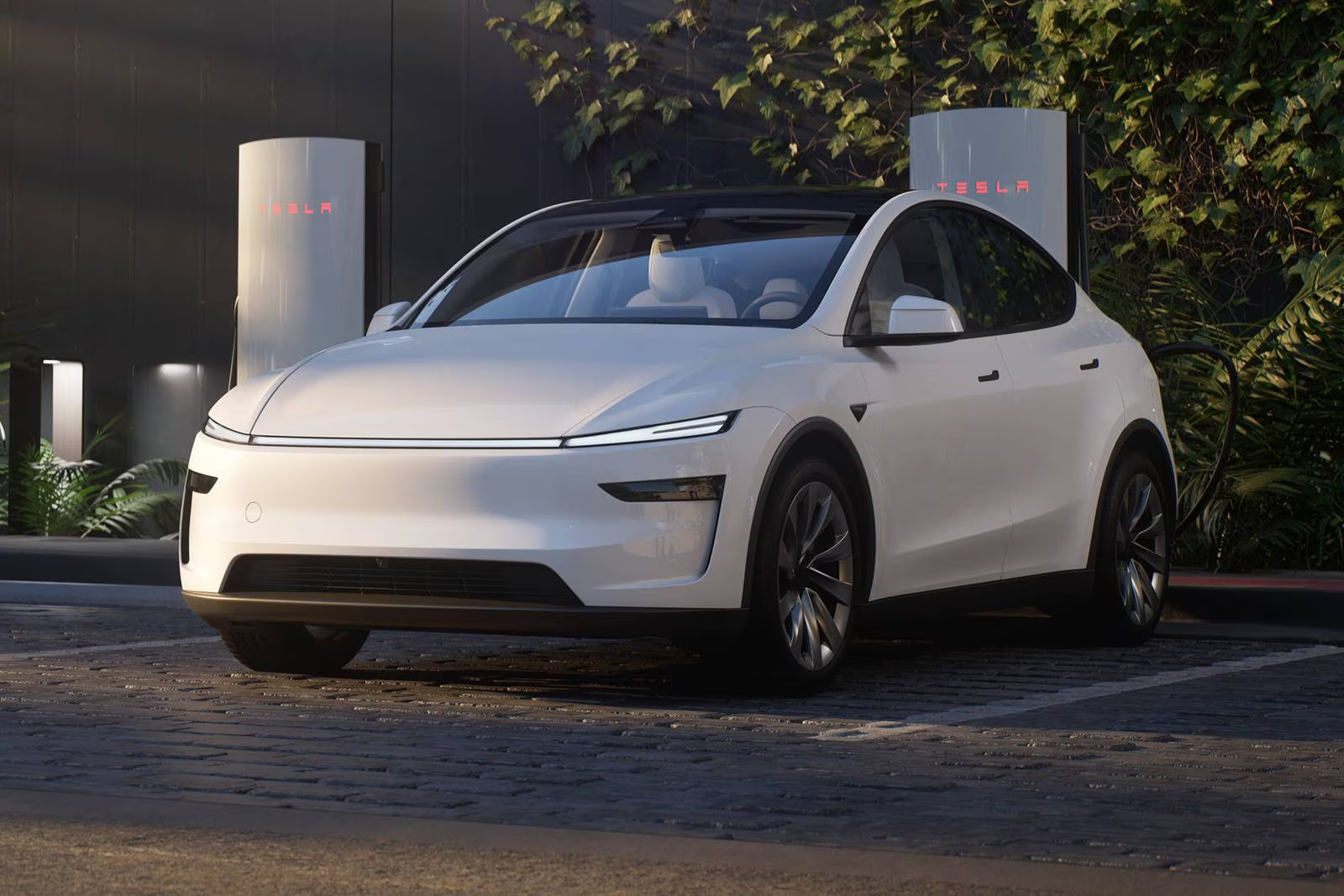

Why Tesla Fans Are the Flat-Earthers of
the Car World
Some Tesla fans
don’t act like car buyers. They act like believers. Online, loyalty to Tesla often
looks less like appreciation for a product and more like devotion to a mission. Fan posts often
read like sermons, packed with praise, prophecy, and warnings for the doubters. In forums and
replies, Elon Musk is often celebrated not for what the cars do now, but for what he says they’ll
do next. When someone points out a flaw, whether it’s
a steering wheel falling off or Full Self-
Driving glitching into a bike lane, they don’t get a real conversation. They get attacked. Critics
get called liars, Luddites, or worse. The point isn’t debate. It’s defense.
This isn’t just fringe behavior. It ramps up during every product launch, recall, or controversy.
On platforms like X, glowing praise gets pinned, boosted, and echoed by influencers.
Meanwhile, dissent quietly disappears. Even long-time Tesla owners have shared stories of
being dogpiled for mentioning build issues or canceled features. In these circles, the car isn’t a
car. It’s an identity. And once that line is crossed, reason takes a back seat.
How Tesla fans use data like conspiracy theorists
Tesla fans often rely on
company-published statistics to defend Autopilot and Full Self-Driving,
repeating claims that Teslas crash less often than other vehicles. But those numbers come from
Tesla’s quarterly updates, not from peer-reviewed research or independent federal crash data.
In fan circles, these comparisons often ignore key factors like weather, road type, or whether the
driver was fully attentive. When the National Highway Traffic Safety Administration or
independent analysts raise concerns, the response isn’t reconsideration. It’s rejection. To many
fans, outside data isn’t seen as evidence. It’s treated as an attack on the mission.
This style of argument mirrors the logic of conspiracy theories. It depends on cherry-picked
evidence, closed feedback loops, and distrust of outside sources. Company blog posts and
investor updates are treated as the only reliable truth, while federal investigations are waved off.
Screenshots from Tesla earnings reports often circulate on fan forums, stripped of disclaimers
or footnotes. In this kind of system, information isn’t evaluated. It’s filtered. That’s not how safety
research works. It’s how belief systems avoid being challenged.
When fandom influences public policy
Tesla’s most dedicated fans aren’t just loud online. They shape how the company is perceived
in finance, media, and sometimes government.
Investors amplify those posts, and business
outlets run with their charts. Their excitement creates the kind of public pressure that makes real
scrutiny look like a political risk. When regulators hesitate to act, it’s not always because the
evidence is unclear. Sometimes it’s because the pushback will be fast, public, and relentless.
And that has real effects. Tesla’s Full Self-Driving beta has been rolled out on public roads with
limited federal intervention, despite repeated warnings from engineers and safety advocates
about crash risk and driver misuse.
This kind of influence doesn’t always look organized, but it works. Supporters flood comment
sections, quote-tweet journalists, and overwhelm critics with replies, tags, and accusations. That

volume of attention discourages dissent, especially from public figures who don’t want to look
anti-innovation. It also helps reinforce the company’s own messaging, which often
positions
regulation as unnecessary or biased. When fandom makes it harder for experts to speak freely
or for oversight agencies to act decisively, the risks go beyond PR. They enter the policy space,
where belief replaces oversight, and risk becomes routine.
Loyalty tests and online harassment
Criticizing Tesla online rarely ends in a fair debate. Writers, engineers, and even grieving
families who raise questions about safety or ethics often find themselves accused of bias or
ignorance. The response isn't curiosity or engagement. It’s a litmus test: “Are you even a car
person?” “Do you understand tech?” “Why aren’t you talking about the data?” These aren’t
meant to clarify anything. They’re designed to sort true believers from outsiders and often come
alongside waves of online hostility. The targets range from major journalists to everyday Tesla
drivers sharing crash reports or performance issues.
That pressure has a chilling effect. When a simple comment about Autopilot bugs leads to
harassment or dogpiling, people think twice before speaking up. Critics don’t get counterpoints.
They get labeled anti-progress or accused of pushing some hidden agenda. Tesla itself has
leaned into this narrative at times, suggesting
negative coverage is driven by vendettas or
corruption. That energizes the base, but it blurs the line between corporate messaging and
internet mobbing. When a car company’s most vocal supporters treat skepticism like betrayal,
meaningful scrutiny disappears. And without scrutiny, there’s no brake on risk, especially when
the product in question is driving itself down public roads.
